
Psyllium Husk and Hemorrhoids: My Journey and Lessons Learned
Let me start by saying that dealing with hemorrhoids is no walk in the park. If you’ve ever experienced the burning, itching, or downright pain of a flare-up, you know it’s something you wouldn’t wish on your worst enemy. I’ve been there, and I’ve also been down the road of trying to manage my digestive health with psyllium husk—a fiber supplement that’s supposed to be a miracle worker for your gut. But here’s the thing: my experience with psyllium husk wasn’t all sunshine and rainbows. In fact, it made my hemorrhoids worse before I figured out how to use it properly. This is my story, along with what I’ve learned about using psyllium husk the right way to prevent hemorrhoids and make bowel movements easier on your body.
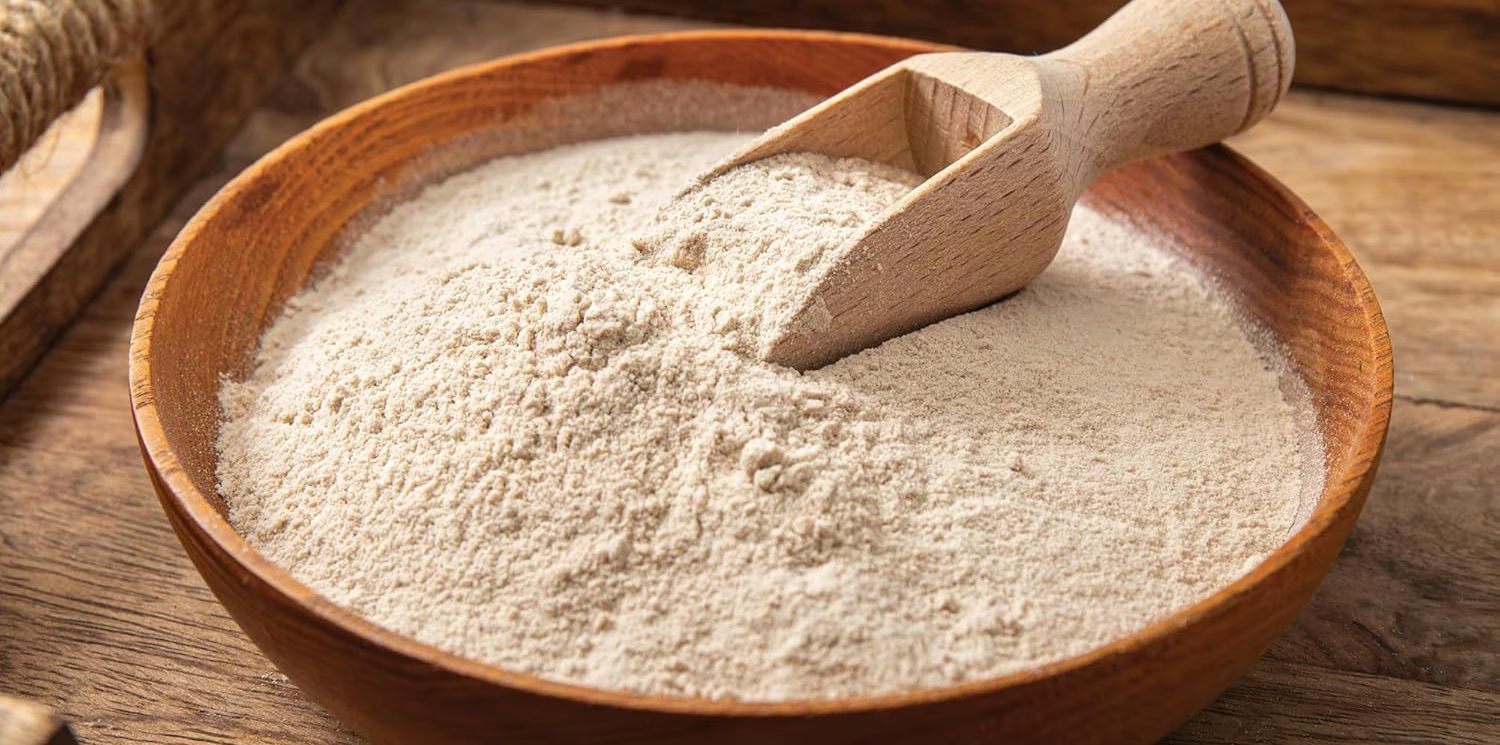
My Rough Start with Psyllium Husk
A couple of years ago, I was struggling with irregular bowel movements. Constipation was my norm, and it wasn’t just uncomfortable—it was starting to cause problems. I’d heard from friends and read online that psyllium husk was a game-changer for digestion. It’s a soluble fiber derived from the seeds of the Plantago ovata plant, often praised for softening stools and promoting regularity. Sounded like exactly what I needed. So, I rushed to the store, grabbed a canister of psyllium husk powder, and dove in without much thought.
I started with what I thought was a reasonable dose—about a tablespoon mixed into a glass of water. I’d read that it needed liquid to work, so I drank it down quickly, followed by another glass of water. At first, things seemed okay. My stools were a bit bulkier, which I figured was a good sign. But after a few days, I started noticing discomfort. My bowel movements, while softer, were larger and harder to pass than I expected. The straining I was trying to avoid? It got worse. And with that straining came the familiar sting of hemorrhoids.
The pain was unmistakable—sharp, burning, and sometimes accompanied by a little blood on the toilet paper. I was confused. Wasn’t psyllium husk supposed to help with this kind of thing? I kept at it for another week, thinking maybe my body just needed to adjust. Big mistake. The hemorrhoids got more irritated, and I was starting to dread going to the bathroom. It felt like I was stuck in a vicious cycle: the psyllium was making my stools bulkier, but without enough water or the right approach, it was like trying to pass a brick. My butthole was not happy.
Why Psyllium Husk Made Things Worse
After some research and a humbling visit to my doctor, I learned why psyllium husk was backfiring on me. Psyllium is a bulk-forming laxative, which means it absorbs water in your gut to form a gel-like substance that adds bulk to your stool. This can be great for softening hard stools or firming up loose ones, but there’s a catch: if you don’t pair it with enough water, it can actually make constipation worse. And for someone like me, who was already prone to hemorrhoids, that spelled trouble.
Hemorrhoids are swollen veins in the rectum or anus, often caused by straining during bowel movements. When I was taking psyllium without drinking enough water, the fiber absorbed what little moisture was in my gut, creating stools that were bulky but dry and hard to pass. This led to more straining, which put extra pressure on those sensitive veins, worsening my hemorrhoids. I also learned that taking too much psyllium too quickly can overwhelm your digestive system, causing bloating, gas, or even a sense of fullness that makes you feel blocked up. For me, that tablespoon was way too much to start with, and my haphazard approach to hydration wasn’t helping.
I also wasn’t consistent with my timing. I’d take psyllium at random times of the day, sometimes without following it up with enough water afterward. This inconsistency meant my body wasn’t getting the full benefit of the fiber, and the lack of hydration was making things worse. It was a hard lesson, but it taught me that psyllium husk isn’t a magic bullet—you have to use it thoughtfully to avoid making things worse.
Learning to Use Psyllium Husk the Right Way
After my doctor set me straight, I decided to give psyllium husk another chance, but this time with a plan. Here’s what I learned about using it properly to prevent hemorrhoids and make bowel movements gentler on my body:
- Start Small: One of the biggest mistakes I made was jumping in with a full tablespoon. My doctor recommended starting with just ½ teaspoon of psyllium husk powder mixed with 8 ounces of water, once a day. This small amount lets your body adjust to the extra fiber without overwhelming your digestive system. With this dose, my poop size is normal, thinner than when I overconsumed psyllium fiber, but the stool is soft, longer, and easy to pass, which has been a huge relief for my hemorrhoids.
- Drink More Water Than Usual: This is non-negotiable. Psyllium husk absorbs water like a sponge, and without enough liquid, it can clump up in your gut and make stools harder to pass. I now make sure to drink at least 8 ounces of water with my psyllium dose, followed by another 8-ounce glass afterward. Throughout the day, I aim for 1.5 to 2 liters of water total (about 6-8 glasses), which is more than I usually consume, to ensure the fiber works properly. This extra hydration keeps my stools soft and easy to pass, reducing the need to strain and keeping my hemorrhoids at bay.
- Time It Right: I found that taking psyllium in the morning works best for me. It sets the tone for regular bowel movements throughout the day. I mix it into water or a little juice (just a splash for flavor) and drink it quickly before it thickens into a gel. Consistency is key—taking it at the same time daily helps my body establish a rhythm.
- Combine with Lifestyle Changes: Psyllium alone isn’t enough. I started eating more high-fiber foods like fruits, vegetables, and whole grains to complement the supplement. I also make sure to move my body daily—whether it’s a walk or some light exercise—to keep my digestion humming. And I follow the “TONE” concept I read about: keeping toilet time to three minutes, aiming for one bowel movement a day, no straining, and enough fiber. This has been a game-changer for preventing hemorrhoid flare-ups.
- Listen to Your Body: If I feel bloated or gassy, I scale back the dose or check my water intake. Some people, like those with certain digestive conditions, might not tolerate psyllium well, so I always check in with my doctor if something feels off.
When I started using psyllium this way, the difference was night and day. My stools became softer, longer, and more regular, and I could pass them without straining. The burning and irritation from my hemorrhoids started to fade, and I haven’t had a major flare-up since. It’s not just about the fiber—it’s about using it smartly and giving your body the hydration and support it needs.
My Go-To Psyllium Husk Brand on Amazon
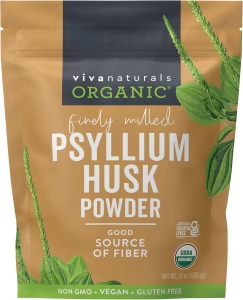
After trying a few brands, I’ve settled on one that I trust and recommend: Viva Naturals Organic Psyllium Husk Powder. Here’s why I love it:
- Organic and Pure: It’s 100% organic psyllium husk with no additives, sugars, or artificial flavors. This is important to me because some brands, like certain flavored Metamucil varieties, add extras that can irritate my stomach.
- Fine Texture: The powder is finely ground, which makes it easier to mix into water or juice without feeling gritty. It dissolves well and doesn’t clump as much as coarser brands.
- High Potency: A single teaspoon provides a good dose of soluble fiber (about 5 grams), which is perfect for starting small and building up.
- Affordable and Reliable: It’s reasonably priced for a 24-ounce canister, and Viva Naturals is a well-reviewed brand with third-party testing for quality, which gives me peace of mind.
Final Thoughts
My journey with psyllium husk and hemorrhoids taught me that even the best tools can backfire if you don’t use them right. Psyllium husk can worsen hemorrhoids if you take too much too soon or skimp on water, leading to harder stools and more straining. But when used properly—starting with a small dose like ½ teaspoon, drinking more water than you usually consume throughout the day, and pairing it with a high-fiber diet and healthy habits—it can be a lifesaver for preventing hemorrhoids and making bowel movements pain-free. I’m proof that it’s possible to turn things around, and I hope my story helps you avoid the mistakes I made. Grab a quality brand like Viva Naturals, follow the steps I’ve outlined, and give your butthole the break it deserves.

The ONE Hemorrhoid Solution That Actually Works
Recent Posts
FAQ: Quick Answers
Yes, psyllium husk can worsen hemorrhoids if not used correctly. Taking too much too soon or failing to drink enough water can make stools bulky and dry, leading to straining and increased pressure on hemorrhoidal veins. Proper hydration and gradual dosage increases are essential to avoid flare-ups.