
Hemorrhoids and Dimentia
A new study out of South Korea is turning heads—and not just among neurologists. According to recent research published in Frontiers in Neurology, there may be a link between hemorrhoidal disease and an increased risk of dementia. Yes, you read that right. The condition we usually associate with pain during bowel movements might have broader health implications than we ever imagined.
Before anyone panics, let me break it down. This isn’t cause for alarm—but it is a good reminder that our bodies are deeply interconnected, and seemingly unrelated symptoms can sometimes be part of a bigger picture.
Researchers analyzed data from a massive national health screening cohort in South Korea, covering more than 381,000 people over a median of 15.5 years. They tracked individuals diagnosed with hemorrhoidal disease—based on at least two separate insurance claims under the ICD-10 code I84—and compared their dementia risk to those without hemorrhoids.
They found that people with hemorrhoidal disease had a 24.3% higher risk of developing all-cause dementia compared to those without it.
That’s a significant finding. But as with all observational research, it’s not quite as simple as saying “hemorrhoids cause dementia.”
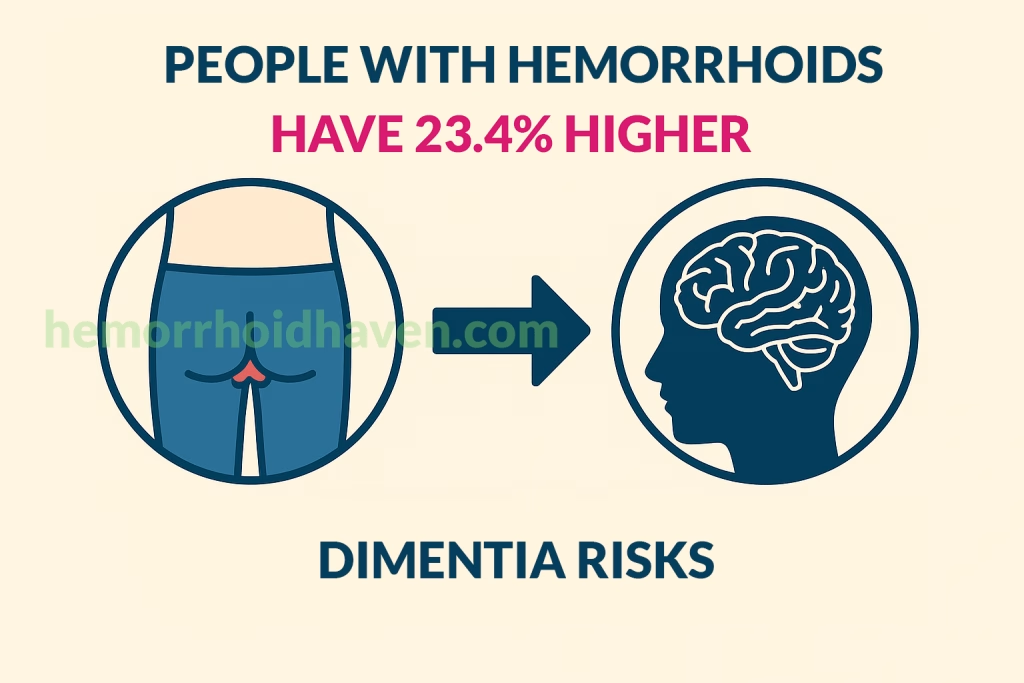
Let’s be clear: hemorrhoids themselves aren’t damaging your brain. The more likely explanation is that hemorrhoids might be a marker for underlying health issues—like poor circulation, inflammation, obesity, or metabolic syndrome—that also increase dementia risk.
The researchers suggest a few possible mechanisms:
- Vascular inflammation: Chronic inflammation around the rectum may reflect systemic inflammation, which is known to play a role in dementia.
- Lifestyle overlap: Risk factors like a sedentary lifestyle, poor diet, and constipation can contribute both to hemorrhoids and long-term cognitive decline.
- Shared vascular risk: Both hemorrhoidal disease and dementia are linked to blood vessel dysfunction.
This doesn’t mean everyone with hemorrhoids is doomed to face cognitive decline—but it does support the idea that persistent hemorrhoids might be worth more attention than we usually give them.
Here’s the really interesting part: people with hemorrhoidal disease who underwent treatment (whether surgical or non-surgical) had a lower risk of dementia than those with untreated hemorrhoids.
In numbers: the hazard ratio for dementia dropped to 0.925 in the treatment group.
This could mean that treating hemorrhoids not only improves quality of life—but also reduces systemic inflammation or improves vascular health in ways that protect the brain. Or it might just mean that people who seek treatment tend to be more health-conscious overall.
Either way, it’s food for thought.
If you’re dealing with hemorrhoids, this research isn’t meant to scare you—but to empower you. Chronic hemorrhoidal symptoms might be your body’s way of waving a flag: time to take stock of your overall health.
Here’s what I take from this:
- Don’t ignore persistent hemorrhoids. If they keep coming back or don’t respond to home care, get them checked out.
- Address the root causes: sedentary behavior, poor diet, constipation, and chronic straining aren’t just bad for your backside—they can impact your long-term health.
- See your doctor—not just for hemorrhoids, but for a check on heart, vascular, and metabolic health.
A few daily habits can support both your rectal and cognitive well-being:
For those who want to understand more about how chronic inflammation and vascular health relate to dementia, the National Institute on Aging (NIA) offers excellent resources.
And for understanding hemorrhoid treatment options, the American College of Gastroenterology (ACG) has a helpful overview.
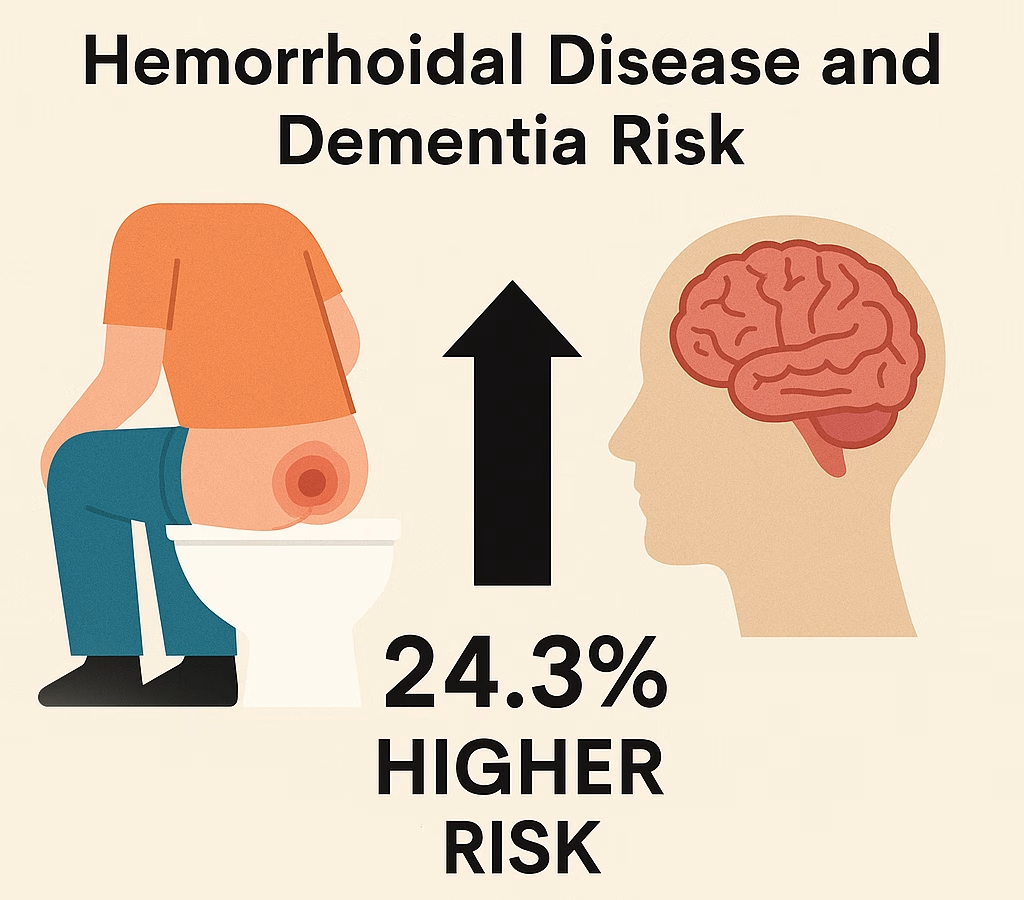
This new study doesn’t mean hemorrhoids are a guaranteed sign of brain trouble—but it’s a compelling reminder to look at our health holistically. What happens below the belt might be connected to what’s going on above the neck.
Treat your hemorrhoids seriously—not just for comfort, but as part of your bigger health picture.
One product I’ve found helpful for managing symptoms and avoiding flare-ups is the Thena Natural Wellness Organic Sitz Bath Soak (Amazon). It’s Epsom-salt based, includes witch hazel and essential oils, and can soothe inflammation after a flare-up. Just follow the directions on the label and don’t overdo soaking—10 to 15 minutes is plenty.

The ONE Hemorrhoid Solution That Actually Works
Recent Posts
FAQ: Quick Answers
Yes, a large South Korean study found that people with hemorrhoidal disease had a 24.3% higher risk of developing dementia compared to those without hemorrhoids. However, the connection is likely due to shared risk factors like poor circulation, inflammation, obesity, and sedentary lifestyle rather than hemorrhoids directly causing dementia.