
Walking: The Best Exercise for Hemorrhoid Sufferers
Hemorrhoids can turn everyday activities into painful challenges, with itching, burning, and discomfort that make even sitting a struggle. For those looking for natural ways to manage this condition, exercise is a powerful tool, and walking stands out as the most effective, accessible option. Its gentle, low-impact nature promotes circulation and digestion without aggravating symptoms, making it ideal for hemorrhoid sufferers. In this blog post, I’ll dive into why walking is the best exercise for hemorrhoid relief, how to build a consistent walking routine, and practical tips to maximize its benefits, optimized for those searching for natural solutions to prevent flare-ups.
Why Walking Is the Best Exercise for Hemorrhoids
Hemorrhoids are swollen veins in the rectum or anus, often caused by pressure from straining during bowel movements, prolonged sitting, or poor blood flow. Walking directly addresses these triggers in several ways, making it a top choice for managing symptoms:
- Enhances Circulation: Sitting for long periods slows blood flow to the pelvic area, causing veins to swell and inflame. Walking boosts circulation, reducing pressure on rectal veins and helping to prevent or ease flare-ups. Regular movement keeps blood flowing smoothly, which can noticeably improve comfort.
- Eases Straining: Walking stimulates the digestive system, promoting regular, softer bowel movements. Hard stools and straining are major hemorrhoid triggers, but consistent movement helps keep digestion on track, reducing the need to push during bathroom trips.
- Relieves Pelvic Pressure: Prolonged sitting puts direct pressure on the rectal area, worsening hemorrhoids. Walking keeps you upright and active, alleviating this pressure and giving your body a break from sedentary strain.
- Gentle and Safe: Unlike high-impact exercises like running or heavy lifting, which can increase abdominal pressure and potentially worsen hemorrhoids, walking is low-impact. It’s suitable for all fitness levels, requires no special equipment, and poses minimal risk of aggravating symptoms.
How Much Walking Is Needed?
You don’t need to walk for hours to see benefits. A consistent, moderate walking routine can significantly reduce hemorrhoid symptoms. Here’s a practical guide to get started:
- Target 20–30 minutes daily: A brisk 20–30-minute walk, five days a week, is sufficient to improve circulation and support digestion. If you’re new to exercise, begin with 10–15-minute sessions and build up gradually.
- Split it up: If fitting in a full walk is tough, try two 15-minute sessions, such as one in the morning and one after work. This approach is just as effective.
- Set the right pace: Aim for a brisk pace—fast enough to elevate your heart rate but not so fast you’re out of breath. A purposeful stride works best.
- Adjust during flare-ups: If you’re experiencing an active flare-up, opt for shorter, slower walks to stay active without worsening discomfort.
With regular walking, you may notice easier bowel movements and less irritation within a week, with flare-ups becoming less frequent over time.
Tips for a Successful Walking Routine
Building a walking habit is simple, but staying consistent takes a little strategy. Here are practical tips to make walking a seamless part of your day:
- Make it fun: Listen to music, podcasts, or audiobooks to turn your walk into an enjoyable break.
- Schedule it: Pick a specific time, like early morning or after dinner, to make walking a routine. Consistency helps it stick.
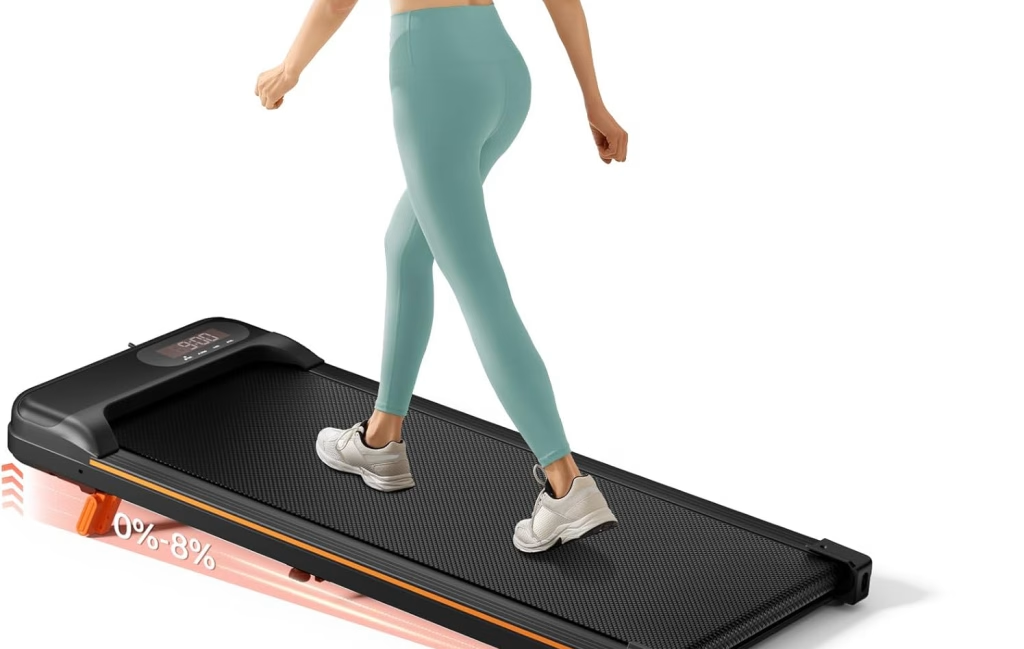
- Mix up routes: Alternate between your neighborhood, a local park, or an indoor walking pad for variety, especially on bad weather days.
- Track your progress: Use a step counter app or wearable device, aiming for 8,000–10,000 steps daily. Tracking steps can keep you motivated.
- Walk with company: Invite a friend, family member, or pet to join you. It adds a social element and boosts accountability.
- Use a walking pad indoors: For days when outdoor walking isn’t possible, an under-desk walking pad lets you walk while working or relaxing at home.
These strategies make walking sustainable, helping you maintain a routine that supports hemorrhoid relief.
Additional Benefits of Walking
Walking offers benefits beyond direct hemorrhoid management, contributing to overall health in ways that further reduce symptoms:
- Stress Relief: Stress can tighten pelvic muscles and disrupt digestion, aggravating hemorrhoids. Walking calms the nervous system, promoting relaxation and reducing flare-up triggers.
- Weight Control: Maintaining a healthy weight reduces pressure on pelvic veins. Walking burns calories gently, supporting weight management without straining the body.
- Better Posture: Slouching while sitting can worsen hemorrhoid discomfort. Walking encourages an upright posture, helping to alleviate pressure in the rectal area.
These holistic benefits make walking a comprehensive approach to managing hemorrhoids, addressing both physical and mental factors.
Pairing Walking with Other Habits
Walking is highly effective, but combining it with other hemorrhoid-friendly practices maximizes its impact. Avoid prolonged sitting by taking standing or stretching breaks every hour, especially if you work at a desk. Practice good bathroom habits, like not lingering on the toilet or forcing bowel movements, to minimize strain. Staying hydrated is also key—drinking plenty of water softens stools, making them easier to pass and complementing walking’s digestive benefits. Together, these habits create a robust strategy for preventing flare-ups.
A Note of Caution
Walking is a fantastic exercise for hemorrhoid sufferers, but it’s not a cure-all. If you experience severe hemorrhoids, persistent bleeding, or symptoms that don’t improve, consult a healthcare provider. A doctor can evaluate your condition and suggest additional treatments if needed. During active flare-ups, stick to gentle, short walks to avoid aggravating inflammation, and always listen to your body’s signals.
Product Recommendation
To make walking even more convenient, especially for indoor use, I recommend the Sperax Walking Vibration Pad with APP. This compact, quiet walking pad is perfect for getting steps in while working or watching TV, with a 2.5HP motor and speeds up to 3.8 MPH. Its remote control and app make it easy to adjust settings, and its lightweight design (38 lbs) with wheels allows for easy storage under furniture. It’s ideal for hemorrhoid sufferers who want to stay active indoors without disturbing others. You can find it on Amazon, and I’ll add a link later for your convenience.
Buy on Amazon
Final Thoughts
Hemorrhoids can be a painful, frustrating condition, but you don’t have to let them control your life. Walking is the best exercise for hemorrhoid sufferers because it’s gentle, accessible, and directly tackles the root causes of flare-ups—poor circulation, straining, and pelvic pressure. Whether outdoors or on a walking pad, this simple activity can transform your comfort and well-being. Start with a short walk today, build a routine, and take charge of your relief. You deserve to feel good, and walking is a practical, natural step toward a flare-up-free life.

The ONE Hemorrhoid Solution That Actually Works
Recent Posts
FAQ: Quick Answers
Walking improves blood circulation in the lower body, which can reduce swelling and discomfort from hemorrhoids. It also helps prevent constipation, a common cause of hemorrhoid flare-ups.