
Sit, Soak, Sigh: Real-World Tips for Pregnancy Hemorrhoids
Pregnancy can turn even the simplest bathroom trip into a mini-odyssey. If you’re dealing with hemorrhoids on top of everything else, I see you. This guide focuses on pregnancy hemorrhoid relief that’s gentle, practical, and—most importantly—actually helps. I’m not a medical professional, and I won’t diagnose you here. What I can share are proven, low-risk steps that have helped me and many readers reduce pain, swelling, and flare-ups. If you have severe bleeding, black stools, fever, fainting, new or intense pain, or symptoms that just won’t quit, get checked by a clinician promptly or use urgent care. Hemorrhoids are common in pregnancy, but persistent rectal bleeding isn’t something to ignore.
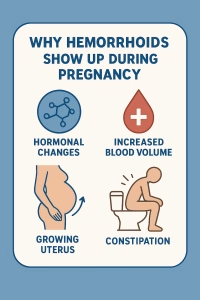
Why hemorrhoids show up during pregnancy
Hemorrhoids are swollen veins in and around the anus and rectum. In pregnancy, several things stack the deck: hormonal changes relax vein walls, blood volume increases, the growing uterus adds pressure, and constipation makes straining more likely. Put together, that combo can flare both internal and external hemorrhoids. The good news: most respond to basic self-care—softening stools, easing pressure, and protecting the area—especially during and after the third trimester. For a mainstream overview of home care, see Mayo Clinic.
My ground rules for pregnancy hemorrhoid relief
- Soft stools, zero straining. Every relief strategy is easier when your stool is soft and easy to pass.
- Short, gentle bathroom visits. Get in, go, clean up, and get off the toilet. No scrolling marathons.
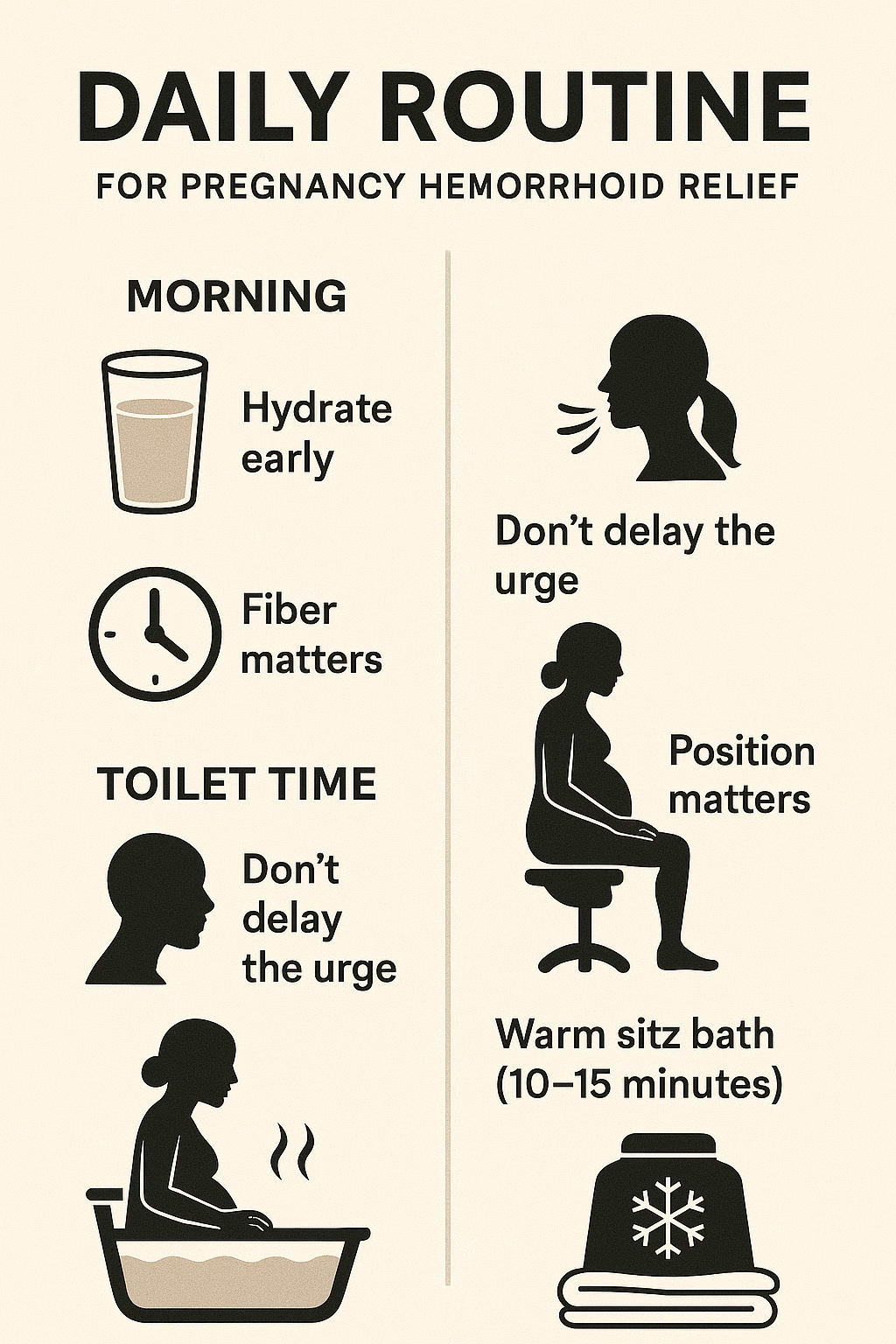
The daily rhythm that helps (simple routine)
Morning
- Hydrate early. A full glass of water as soon as you wake up helps kick the bowels into gear.
- Fiber with breakfast. Oatmeal + berries, whole-grain toast with avocado, or a chia-yogurt bowl. If you’re considering a fiber supplement, start low and go slow to avoid gas/bloating, follow the label, and ask your clinician if you’re unsure.
Toilet time
- Don’t delay the urge. When your body says “go,” that’s the best window.
- Position matters. Use a small footstool to raise your knees above your hips; it straightens the anorectal angle and makes passing stool easier, reducing strain.
- Breathe, don’t push. Long, slow exhales relax the pelvic floor. If nothing happens in 3–5 minutes, stand up and try again later.
Evening
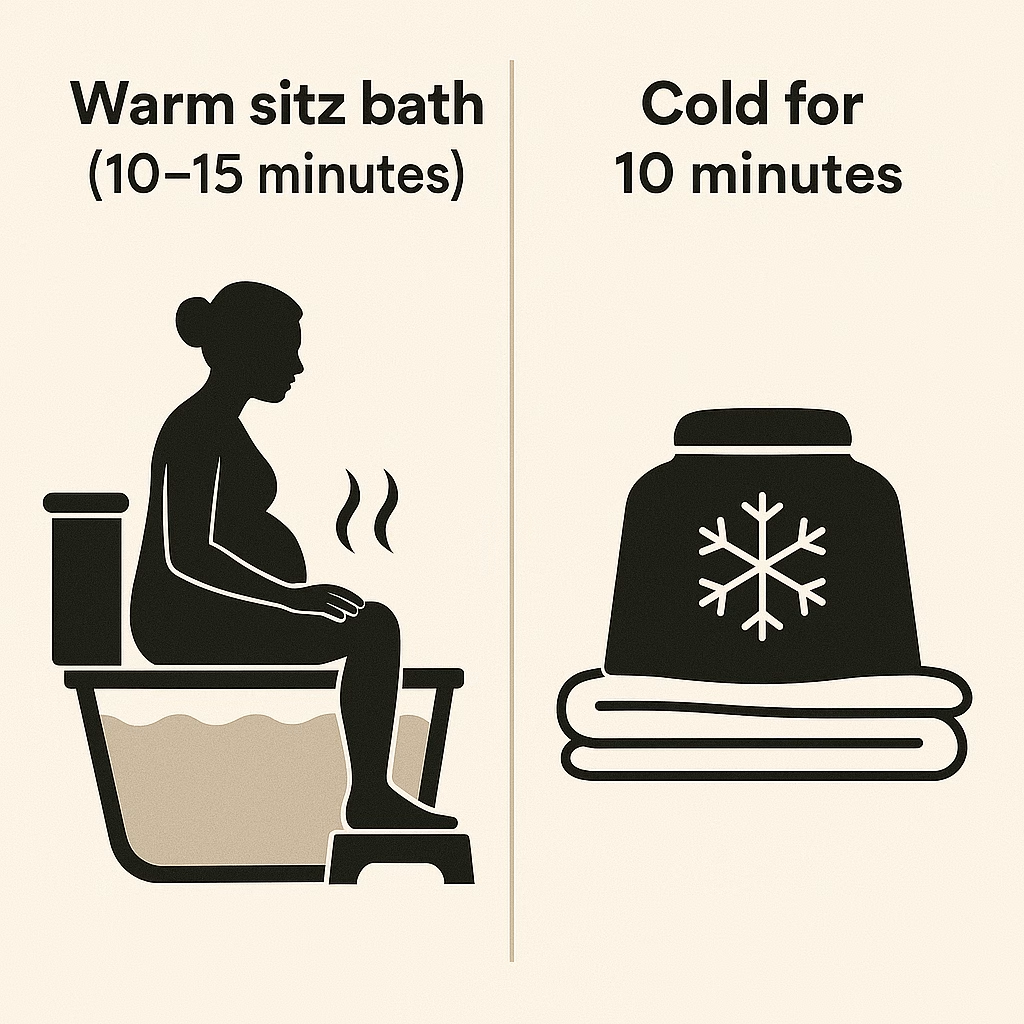
- Warm sitz bath (10–15 minutes). Plain warm water is enough. Pat dry—don’t rub.
- Cold after warm (optional). A wrapped ice pack or cold gel for 10 minutes can bring down swelling after the soak.
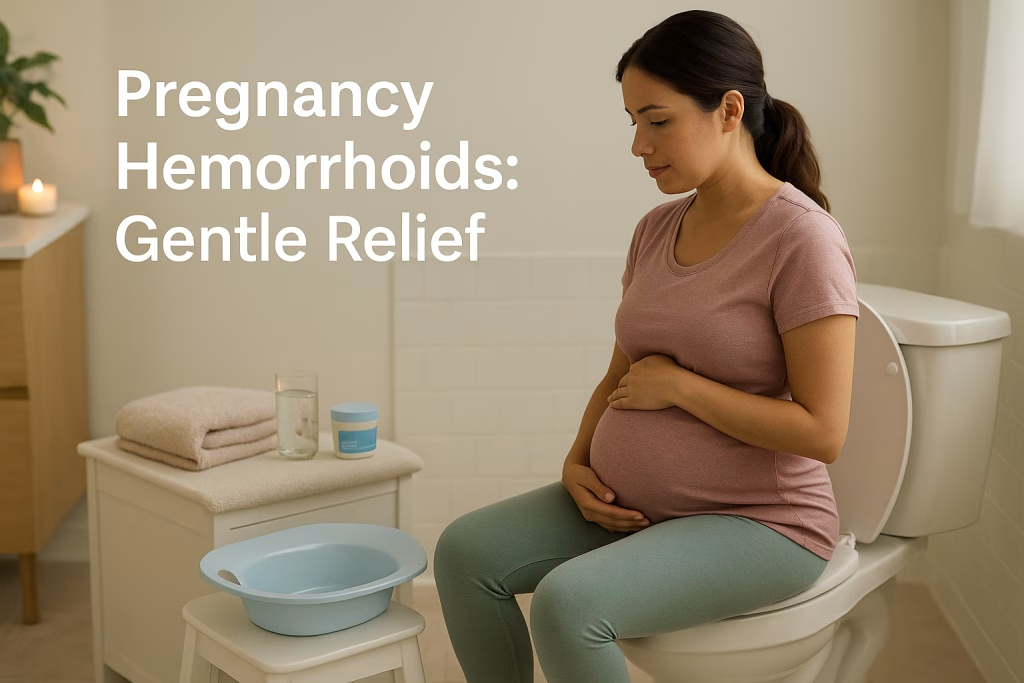
The one bathroom upgrade I truly recommend
Squatty Potty Original Toilet Stool (Amazon). This simple footstool nudges you into a squat-like angle, which can lower straining and shorten bathroom time. It’s non-medicated, pregnancy-friendly, and fits around most toilets. Use it only when you’re actually going—no lingering. If a dedicated stool isn’t your style, a stable stepstool can do the job. Pros: durable, no side effects, helps the whole household. Cons: takes floor space; you still need good habits (fiber/fluids). Always step on/off carefully, especially with late-pregnancy balance shifts.
Food & fiber—make soft stools your superpower
- Aim for ~25–30 grams of fiber daily from food if possible: oatmeal + berries; lentil soup + salad; a pear or apple with skin.
- Add fiber supplements carefully. Introduce gradually and drink water. Follow the label; talk with your clinician if you’re on iron supplements or have GI conditions.
- Hydration matters. Steady sips all day; aim for pale yellow urine.
- Watch the constipators. Iron dosing, low-fiber eating, and “holding it” can back you up. Ask your clinician about iron alternatives or timing if constipation ramps up.
Sitz baths & cold therapy—how to do them right
- Warm first. Sit in warm (not hot) water that covers the perineal area for 10–15 minutes. Do this 1–2 times daily during flares.
- Pat dry + protect. After soaking, pat dry. A thin smear of plain petroleum jelly can reduce friction before a bowel movement.
- Cold counterpunch. Use a cold pack wrapped in cloth for 10 minutes to calm swelling. Alternate with warmth as needed.
Safe topical soothers during pregnancy
- Plain witch hazel pads for itch/irritation.
- Barrier ointments (petroleum jelly, zinc oxide) to protect the skin.
- Aloe vera gel (pure, fragrance-free) if it feels soothing.
If you’re considering medicated creams, anesthetics, or steroid products (e.g., hydrocortisone), use only as directed and confirm with your clinician during pregnancy. Short use is usually the rule. Skip strong fragrances and anything that stings.
Habits that quietly make things worse
- Lingering on the toilet (phone in hand).
- Heavy straining or “power pushing.”
- Dehydration.
- Ignoring the urge.
- Heavy lifting without exhale (always breathe out on effort).
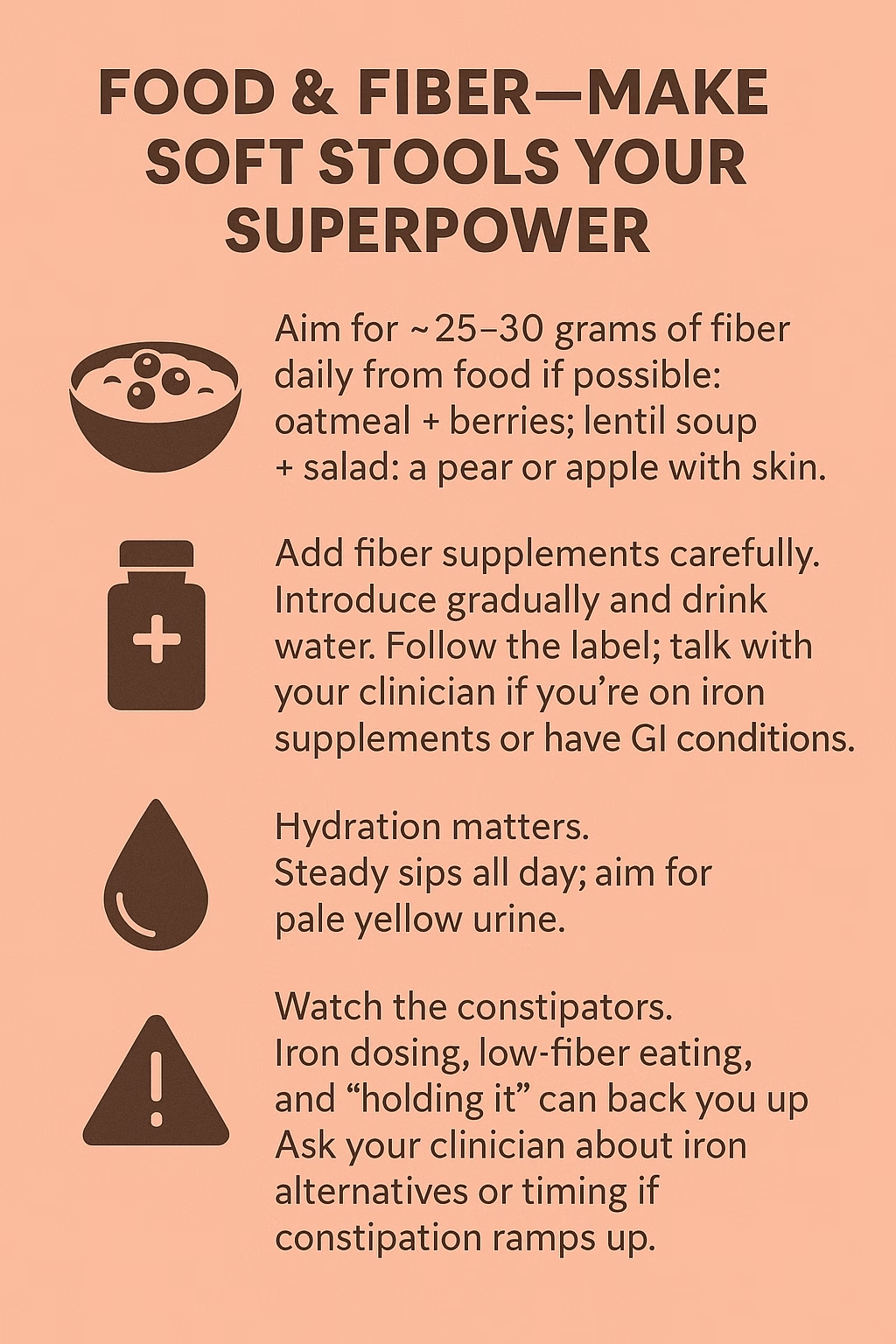
Food For Pregnancy Hemorrhoids
Movement, posture, and pressure—small tweaks that add up
- Short, frequent walks (even 10 minutes).
- Side-lying rest (left side can feel best between trips).
- Pelvic floor “drop” on exhales instead of clenching.
- Use a soft, flat cushion; alternate if using a ring pillow.
What’s normal vs. when to call the doctor
It’s common to see a small streak of bright-red blood on the toilet paper from irritated hemorrhoids, plus itch or ache after a bowel movement. Still, there are lines you shouldn’t cross solo: heavy or ongoing bleeding, black/tarry stools, fever, dizziness or fainting, severe pain that doesn’t ease, or a lump that won’t reduce and is exquisitely tender. If symptoms persist despite a week of good self-care, or if you’re not sure it’s hemorrhoids, get checked. Hemorrhoids are common in pregnancy, but other conditions can also cause rectal bleeding, so a professional eye matters. See NIH MedlinePlus for general background and when to seek care.
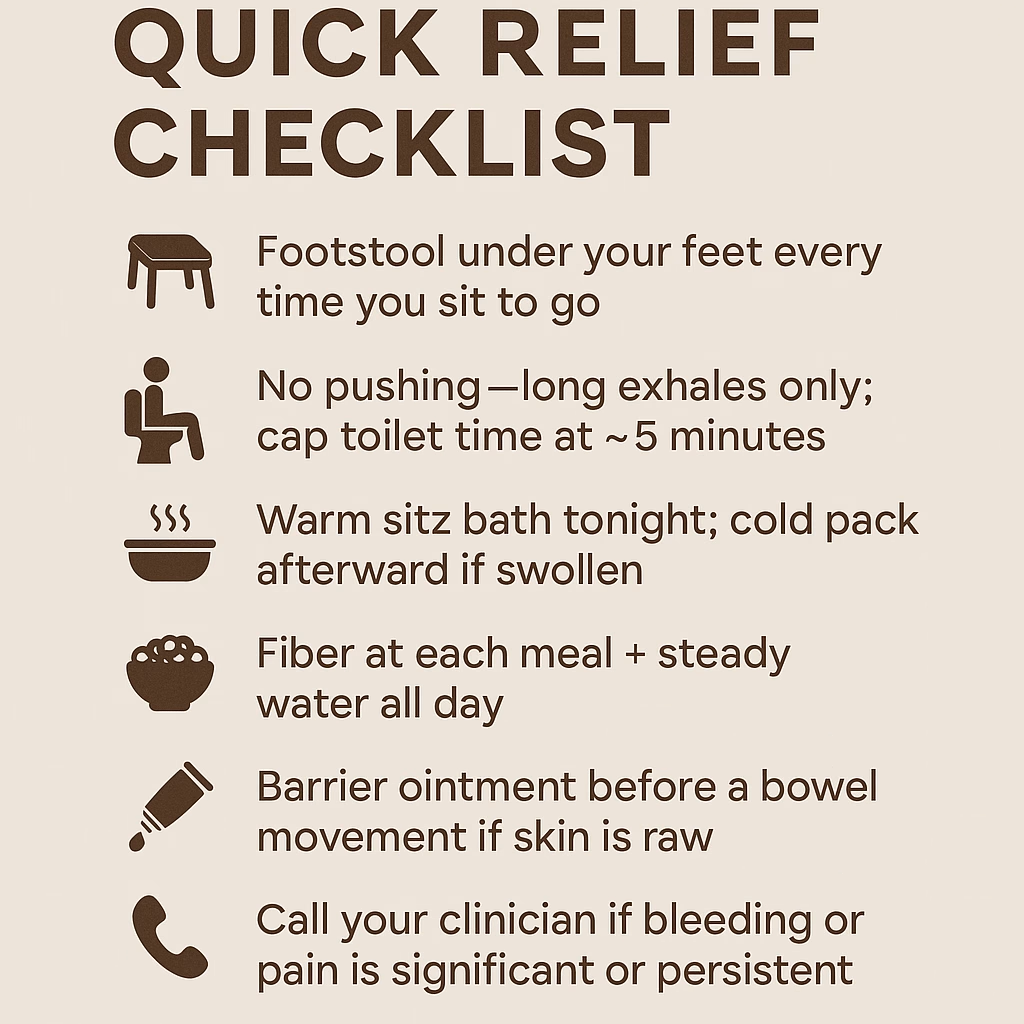
Quick relief checklist (clip this)
- Footstool under your feet every time you sit to go.
- No pushing—long exhales only; cap toilet time at ~5 minutes.
- Warm sitz bath tonight; cold pack afterward if swollen.
- Fiber at each meal + steady water all day.
- Barrier ointment before a bowel movement if the skin is raw.
- Call your clinician if bleeding or pain is significant or persistent.
FAQ: Fast answers to common pregnancy hemorrhoid questions
What’s the single most effective change I can make?
Dial in stool softness and stop straining. For most people, that means daily fiber (food first, supplements if needed), enough fluids, and a footstool on every bathroom trip. The Mayo Clinic echoes the fiber/fluids/sitz bath trifecta.
Are sitz baths safe during pregnancy?
Yes—plain warm water soaks are a standard conservative measure. Keep the water warm (not scalding), limit to 10–15 minutes, and pat dry. If you feel lightheaded or uncomfortable, stop and talk to your clinician.
Can I use witch hazel pads?
Many pregnant people find mild, alcohol-free witch hazel pads soothing. Use them externally, follow the package directions, and stop if you notice stinging or irritation.
Do hemorrhoids go away after I give birth?
Often, yes—especially if you keep up the soft-stool routine and avoid straining. If you still have bleeding, pain, or prolapse after a few weeks, get evaluated. Persistent rectal bleeding always deserves a look.
Which fiber is best if I’m pregnant?
Food fiber is ideal; psyllium is a common backup. Start low, go slow, and drink water. If you’re on iron or have IBS, check with your clinician before adding supplements so you can pick the gentlest option for you.
This article shares general information only and isn’t a substitute for medical advice. For diagnosis or personalized guidance, see a clinician.

The ONE Hemorrhoid Solution That Actually Works
Recent Posts
FAQ: Quick Answers
Pregnancy increases the risk of hemorrhoids due to hormonal changes that relax vein walls, increased blood volume, added pressure from the growing uterus, and a higher chance of constipation. These factors together can cause swelling and irritation in rectal veins.