
Bleeding piles — also known as haemorrhoids — can cause pain, embarrassment, and daily discomfort. Yet many people in the UK who seek medical help are told their condition isn’t “serious enough” for NHS treatment. So what exactly does that mean, and what can patients do if they’re still suffering?
Understanding Haemorrhoids
Haemorrhoids are swollen and inflamed veins in the lower part of the rectum or anus. They often develop when pressure increases in these veins — commonly from constipation, straining during bowel movements, chronic coughing, or heavy manual labour.

Typical symptoms include:
- Itching or irritation around the anus
- Pain, especially during bowel movements
- Swelling or lumps near the anus
- Bright red bleeding on toilet paper or in the toilet
While haemorrhoids are extremely common — affecting roughly half of adults at some point — persistent or heavy bleeding must never be ignored. According to Dr. Ellie Cannon, long-lasting haemorrhoids should always be reviewed by a specialist because rectal bleeding can also be an early sign of rectal or anal cancer.
What the NHS Is and How It Handles Cases Like This
The National Health Service (NHS) is the publicly funded healthcare system in the United Kingdom. It provides most medical care — including GP visits, hospital treatment, and emergency care — free at the point of use for UK residents.
However, the NHS prioritises treatment based on medical urgency. Conditions that are not considered life-threatening or severe are often managed first through self-care advice, prescriptions, and lifestyle changes, before a patient is referred for hospital treatment.
In the case of piles, the NHS will usually recommend:
- Lifestyle adjustments – increasing fibre intake, drinking more water, and avoiding straining on the toilet.
- Over-the-counter or prescribed creams and ointments – to reduce swelling, itching, and pain.
- GP monitoring – if symptoms persist, worsen, or involve constant bleeding, the GP can refer the patient to a hospital specialist (often a colorectal surgeon).
The NHS typically reserves surgical interventions for severe or non-responsive cases, when conservative treatments have failed.
The First Step: Preventing Strain
The best way to treat piles is to stop the cause of irritation — which means preventing constipation and avoiding straining. Dr. Cannon highlights that soft, easy-to-pass stools are key to
allowing the inflamed veins to heal.
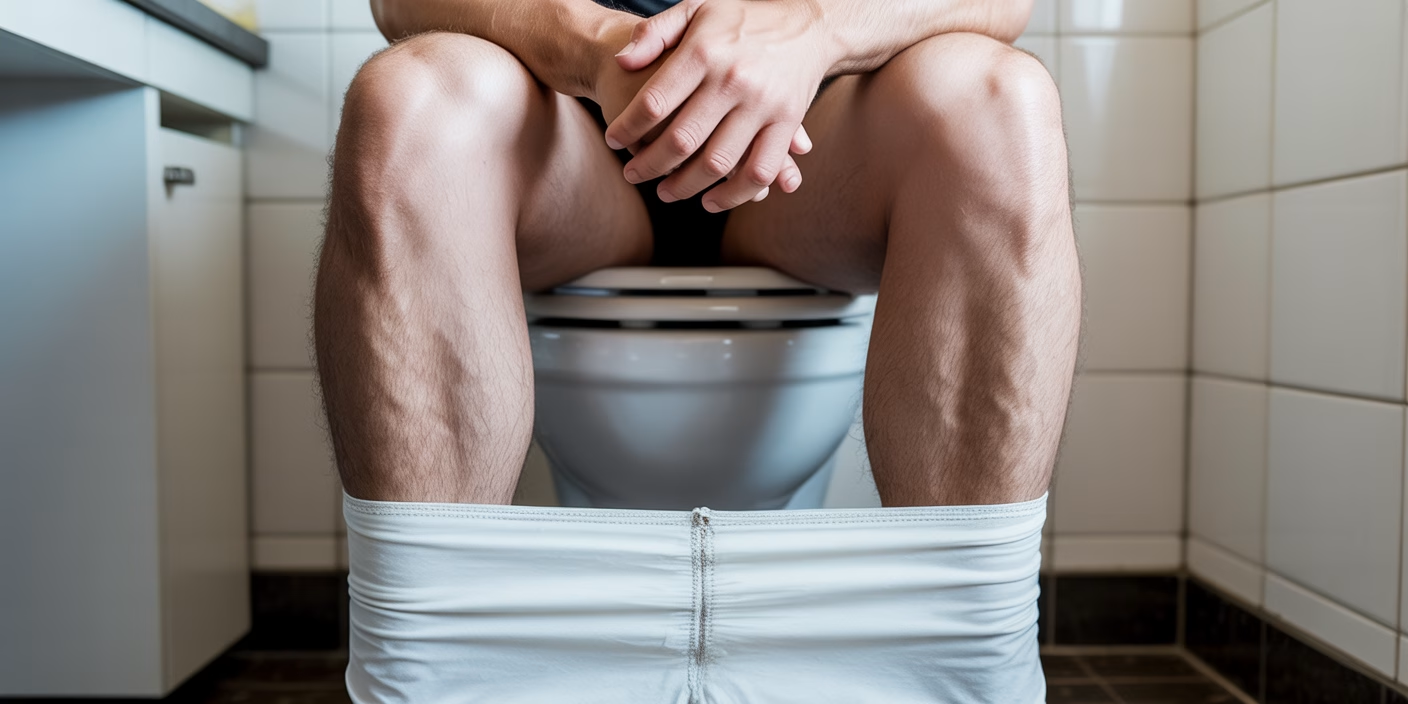
Person Taking A Dump
The NHS recommends consuming at least 30 grams of fibre daily. Good sources include:
- Wholegrain bread, oats, and cereals
- Beans, lentils, and other legumes
- Vegetables such as broccoli, peas, and sweetcorn
- Fruits like apples, pears, and berries
Fibre supplements — available at most pharmacies — can also help if diet alone isn’t enough. In addition, staying hydrated (at least 6–8 glasses of water daily) keeps stools soft and reduces irritation.
Medical and Specialist Treatments
If diet and self-care changes don’t improve symptoms, your GP can prescribe:
- Topical creams and ointments with local anaesthetic or steroids to reduce inflammation and pain.
- Painkillers, when discomfort interferes with daily life.
If symptoms persist, you can ask for a referral to a haemorrhoid specialist. Specialists can perform outpatient procedures such as:
- Injection therapy (sclerotherapy): chemicals are injected into the haemorrhoids to shrink them.
- Band ligation: small rubber bands are placed around the swollen veins to cut off blood supply, causing them to shrink and fall off naturally.
For patients whose haemorrhoids do not respond to these treatments, surgical removal (haemorrhoidectomy) may be recommended — although this is rare and usually only for severe, recurring cases.
When to Seek Immediate Help
While mild piles often heal on their own, persistent bleeding, severe pain, or changes in bowel habits require professional medical assessment. Even if you suspect piles, it’s important not to assume the cause — because other serious conditions, including bowel cancer, can cause similar symptoms.
If you notice:
- Blood mixed in stool (not just on tissue)
- Unexplained weight loss or fatigue
- A lump in the abdomen or rectal area
- Persistent changes in bowel movements
…contact your GP urgently for further tests or referral.
Key Takeaway
Haemorrhoids are rarely dangerous, but they should never be dismissed — especially when bleeding becomes constant. The NHS offers treatment pathways that start with self-management and progress to specialist care when necessary.
With the right diet, hydration, and medical support, most people can find relief and avoid surgery. But if your GP says your condition isn’t serious enough, don’t hesitate to ask for a referral or second opinion — your comfort and long-term health depend on it.

The ONE Hemorrhoid Solution That Actually Works
Recent Posts
FAQ: Quick Answers
Bleeding piles are caused by swollen and inflamed veins in the rectum or anus, often due to constipation, straining during bowel movements, chronic coughing, or heavy lifting. These pressures increase blood flow to the area, leading to pain, itching, swelling, and sometimes bright red bleeding after using the toilet.