
The Digital Stretch: Sitting Gets Too Comfortable
Today’s world keeps us glued to screens—whether at desks, behind the wheel, or buried in our phones. Unfortunately, prolonged sitting increases pressure on the anal and rectal veins, which over time can lead to or worsen hemorrhoids (prima-care.com), (PMC).
How Modern Life Triggers Hemorrhoid
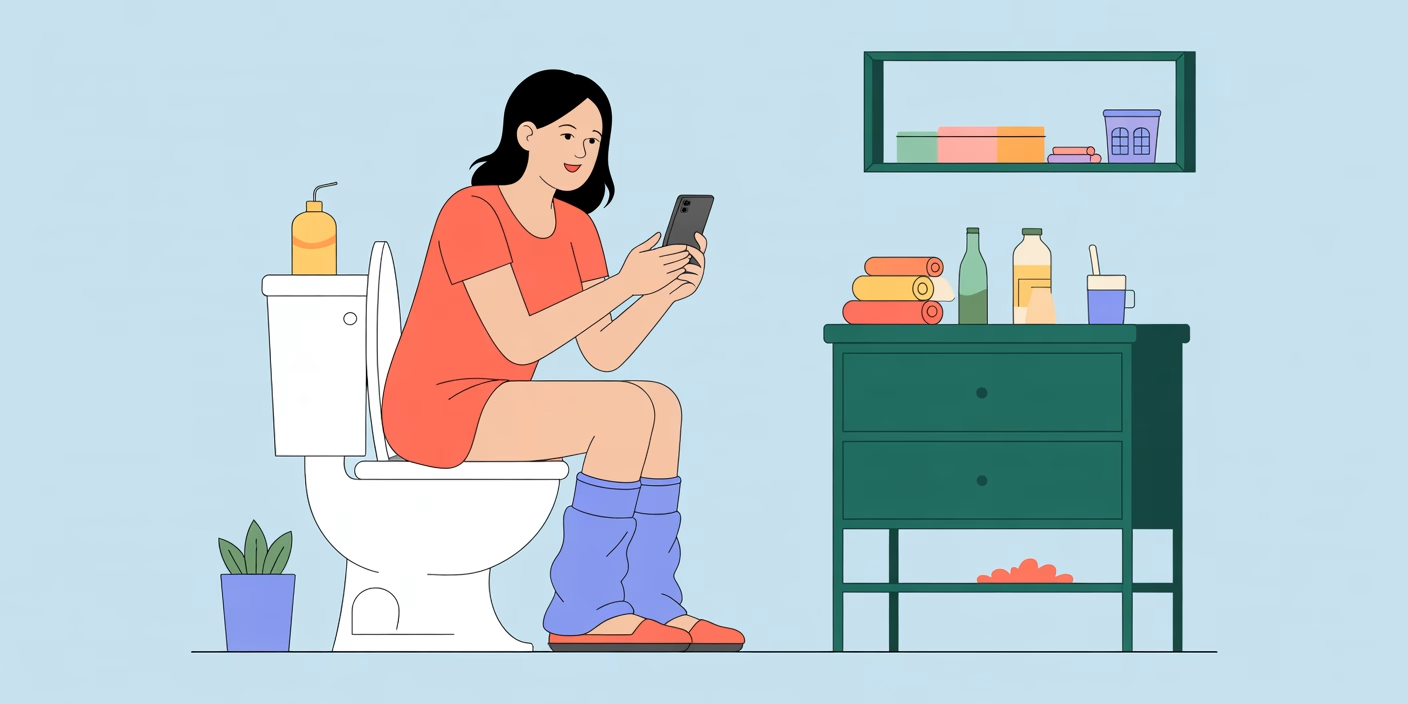
The number of people suffering from hemorrhoids is rising, and modern lifestyle habits are largely to blame. One major contributor is prolonged phone use on the toilet. Research shows that using smartphones in the bathroom significantly increases sitting time, which boosts pressure on the rectal veins and raises the risk of developing hemorrhoids by up to 46%. Treating bathroom visits as quick, functional activities—rather than prolonged screen sessions—can lower your risk.
Hemorrhoids on the Rise: What the Numbers Say
According to recent research, one in three people undergoing colonoscopy have hemorrhoids, whether they’re symptomatic or not. This rise in cases reflects a wider pattern tied to sedentary lifestyles, poor diet, dehydration, and increased screen time in the bathroom. The global market for hemorrhoid treatment is also expected to grow significantly, reflecting both the growing need and increasing awareness.
Diets Gone Light—Fiber Left Behind
Many people today eat diets low in fiber and high in processed foods. Combine that with dehydration and you’ve got a perfect recipe for constipation. Straining during bowel movements—often caused by hard stools—is one of the main drivers of hemorrhoid flare-ups.
Added Weight, Added Pressure
Rising obesity levels also contribute to hemorrhoid risk. Excess abdominal pressure can congest the veins in the anal region, making flare-ups more likely. Pair that with inactivity and you’ve got a recipe for recurring discomfort.
What You Can Do Now: Fighting Back with Smart, Gentle Lifestyle Tweaks
1. Elevate Your Fiber Game (and Hydrate!)
Aim for 25–30 grams of fiber daily—with foods like oats, lentils, black beans, raspberries, pears (with the skin), sweet potatoes, and chia seeds. Whole-food fiber helps keep stools soft and easy to pass.
Drink more water—at least 8 cups per day—to help your digestive system function smoothly. Without enough hydration, fiber can actually make constipation worse.
If you’re not into fiber supplements like psyllium, stick to whole foods or gentler options like flaxseed or prune puree. Start slow and monitor your body’s response.
2. Don’t Let Nature Wait
When you feel the urge, don’t delay. Waiting too long can dry out the stool, making it harder to pass and increasing the risk of straining—one of the key triggers for hemorrhoids.
3. Limit Toilet Time and Ditch the Phone
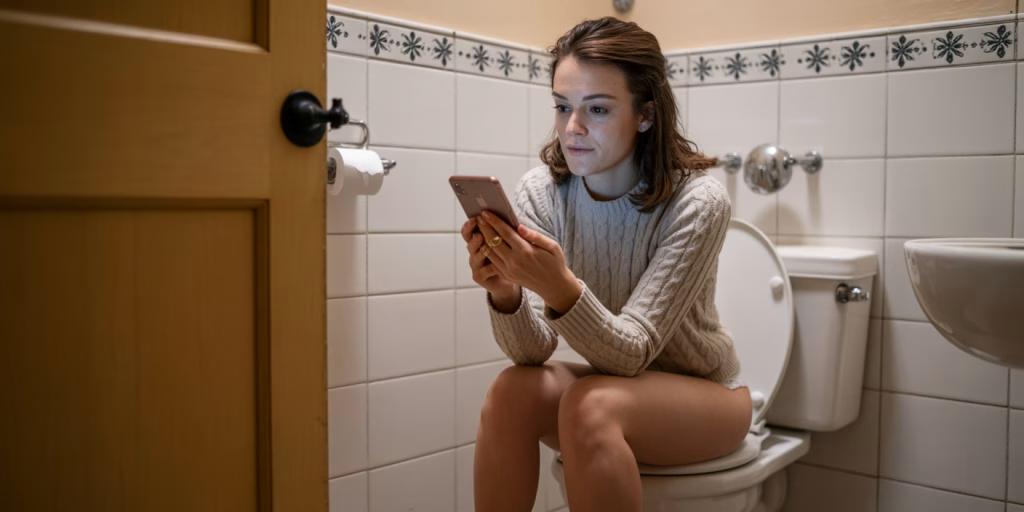
Experts recommend treating bathroom visits as a functional activity—not a time to scroll social media or watch videos. Avoid distractions like phones, and aim to finish within a few minutes. Prolonged sitting increases pressure on rectal veins, boosting the risk of hemorrhoids by nearly 50%.
4. Sitz Baths for Soothing Relief
A warm sitz bath—10 to 20 minutes in shallow water—can reduce swelling and ease discomfort. Consider adding Epsom salts or baking soda. Always pat dry gently afterward to avoid irritation.
5. Move That Body (Even While Working)
Regular movement helps stimulate digestion and reduces rectal pressure. Get up from your chair every hour. Try walking, stretching, or low-impact workouts like yoga or swimming to boost circulation and bowel health.
About that, read Work-From-Home Hemorrhoid Survival Guide: Simple Habits to Live Pain-Free Without Surgery
6. Posture Pays—Try a Squat-Style Setup
Use a footstool to elevate your feet when using the toilet. This creates a squat-like angle, which straightens the rectal canal and makes bowel movements easier—with less straining.
Amazon Product Pick: Squatty Potty (Amazon)
One of the most helpful and affordable tools I’ve used is the Squatty Potty. It improves posture during bowel movements, reduces straining, and can be a game-changer if you’re dealing with recurring hemorrhoids. If it’s not your thing, try any small footstool as a starting point.
Understanding When Lifestyle Isn’t Enough
While lifestyle changes go a long way, some cases require medical help. If you experience persistent bleeding, sharp pain, dark stools, dizziness, or fatigue, consult a healthcare provider. You might need:
- Rubber band ligation
- Sclerotherapy
- Infrared coagulation
- Hemorrhoidectomy (in severe cases)
These treatments are effective and commonly performed (NCBI), (Heritage Surgical Group).
In Summary
The hemorrhoid epidemic is no longer limited to aging or pregnancy. It’s being fueled by modern habits—screen time on the toilet, poor diets, low hydration, inactivity, and delayed bathroom trips. The data is clear: hemorrhoids are common, preventable, and tied closely to how we live our daily lives.
The solution? Treat your body well. Eat more fiber-rich foods, stay hydrated, move regularly, avoid straining, and keep toilet time brief and phone-free. Small steps like these can reduce flare-ups—and help you feel better fast.

The ONE Hemorrhoid Solution That Actually Works
Recent Posts
FAQ: Quick Answers
Hemorrhoid cases are rising mainly due to modern lifestyle habits. Prolonged sitting, excessive screen time, low-fiber diets, dehydration, obesity, and even using smartphones on the toilet all increase pressure on rectal veins, making hemorrhoids more common.